The idea of food as medicine is simple: what we eat every day shapes how we feel today and how healthy we stay in the years ahead.
Table of Contents
Introduction
Food is a vital instrument for providing Energy, curing illness, and preserving health. A fine diet helps prevent chronic illnesses and increase immunity, making it a natural medicine. Nutrient-dense foods provide essential vitamins, minerals, and antioxidants that support and prolong biological processes. Understanding that food has the power to heal can change our view of health.
Conscious eating is medicine for the body
According to Siddha, food is medicine and, when it comes to nutrition, food is medicine. In case if we are very conscious about what we are eating then that becomes the medicine by itself. One situation without considering that if we keep on eating foods that we like then after some days, the number of tablets that need to be consumed will increase.
Whatever we are eating we are conscious. In Siddha medicine, there is a saying like “Our anatomy has 32 doctors” and each tooth is a doctor. If we eat like food will touch every tooth then the digestive essence(saliva) will mix in your food so very well and therefore no disease will come from that food.
Awareness of eating is notable
Tasting needs to be done all the way to the end of the digestive tract; it is not enough to just detect flavor in the mouth. When food goes to the digestive system our taste gets changed, we don’t chew properly and we eat food fast. Be a result, what happens is not ideal, and these are all referred to be conscious experiences.
The vital role that food plays in preserving life and good health is referred to as the importance of food.
Conclusion
We give ourselves the power to make informed dietary choices that enhance health by viewing food as medicine. A nutritious diet that is well-balanced can help prevent disease, aid in healing, and ultimately improve quality of life.
What “Food as Medicine” Really Means
Food as medicine does not mean food replaces doctors or prescribed treatment. It means a balanced, nutrient-rich diet is one of the strongest everyday tools for supporting health, preventing many lifestyle-related problems and helping the body recover. Good nutrition works best alongside regular activity, sleep and medical care when needed.
8 Powerful Ways Food Supports Better Health
1. Steady Energy
Whole grains such as millets, brown rice and whole wheat release energy slowly, helping you avoid sudden energy crashes.
2. Stronger Immunity
Colourful vegetables and fruits provide vitamins, minerals and antioxidants that support the body’s natural defences.
3. Better Digestion
Fibre from vegetables, pulses, fruits and whole grains, along with fermented foods like curd, supports healthy digestion.
4. Heart Health
Limiting fried foods, excess salt and processed snacks, and choosing nuts, seeds and healthy oils in moderation supports cardiovascular health.
5. Healthy Weight
Meals rich in vegetables, protein and fibre keep you full longer and make portion control easier.
6. Muscle and Bone Strength
Protein from dal, eggs, fish, paneer, legumes and dairy, plus calcium-rich foods, supports muscles and bones.
7. Sharper Mind and Mood
Regular, balanced meals help keep concentration steady, and many people notice better mood when they eat well and stay hydrated.
8. Healthy Ageing
A lifelong pattern of healthy eating supports mobility, independence and wellbeing in later years.
Build a Balanced Indian Plate
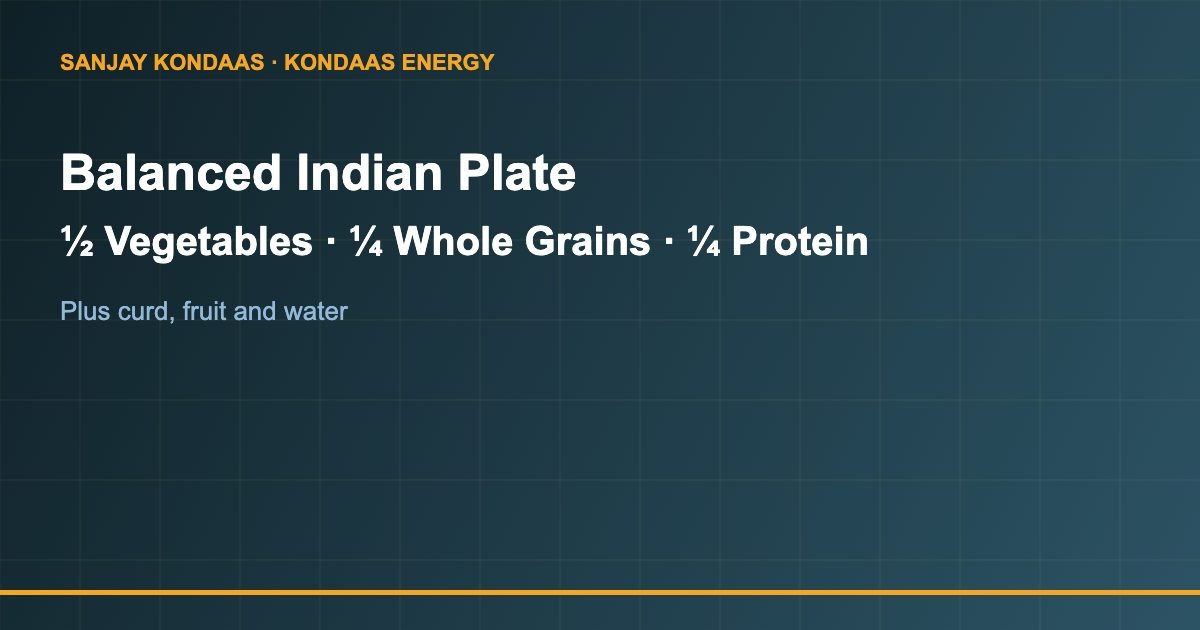
- Half the plate: vegetables and greens — sambar vegetables, poriyal, salads, keerai.
- A quarter: whole grains — millets, brown or hand-pounded rice, whole wheat rotis.
- A quarter: protein — dal, legumes, eggs, fish, chicken or paneer.
- On the side: curd or buttermilk, and a piece of seasonal fruit.
- Drink: water through the day; limit sugary drinks.
Simple Habits for Healthy Eating
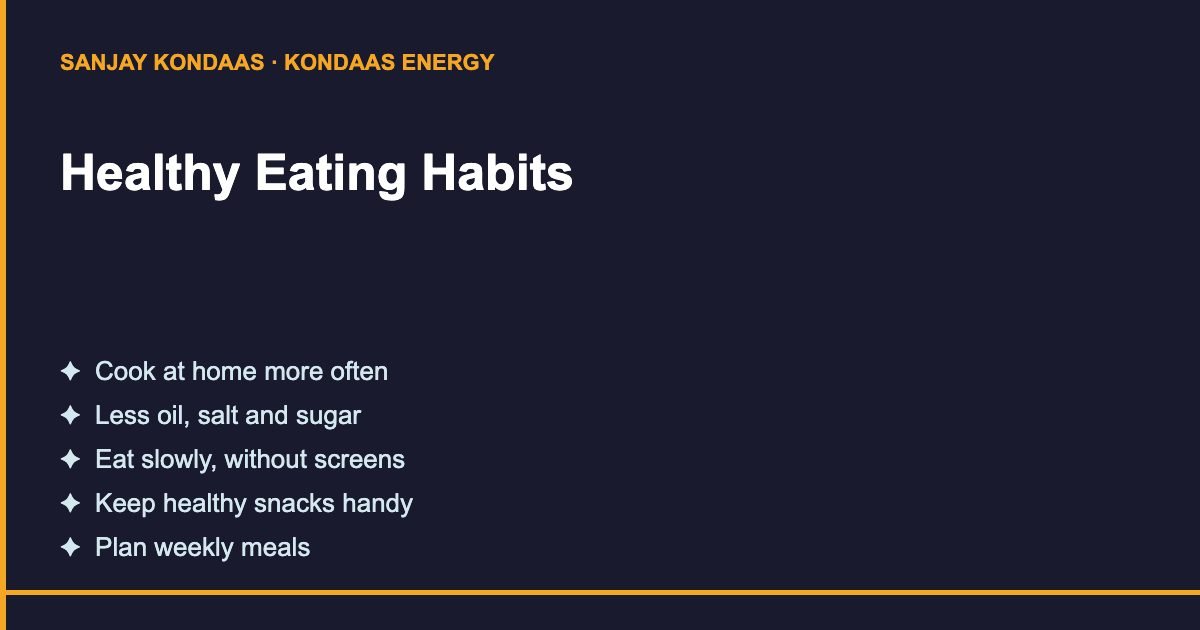
- Cook at home more often and use less oil, salt and sugar.
- Eat slowly and without screens to notice fullness.
- Keep fruits, nuts and roasted chana handy for snacks.
- Plan meals for the week to avoid last-minute junk food.
The World Health Organization’s healthy diet guidance recommends plenty of fruits, vegetables, legumes and whole grains, and limiting free sugars, salt and unhealthy fats. For more wellbeing tips, read 10 daily habits for a happy and healthy life and 8 reasons health and fitness matter.
FAQs on Food as Medicine
Can food cure diseases? Food cannot replace medical treatment, but a healthy diet can support recovery and reduce the risk of many lifestyle-related conditions.
What are the healthiest everyday foods? Vegetables, fruits, whole grains, pulses, nuts, seeds and adequate protein, prepared with minimal oil, salt and sugar.
Should I see a nutritionist? If you have a health condition or specific goals, a qualified doctor or dietitian can give personalised advice.
A Sample Day of Food as Medicine
Here is an example of how a simple, balanced day of eating might look for a busy working adult. Adjust portions to your age, activity level and any advice from your doctor.
- Early morning: a glass of warm water and a handful of soaked almonds or peanuts.
- Breakfast: vegetable upma, millet idli with sambar, or oats with fruit and nuts.
- Mid-morning: a seasonal fruit such as guava, papaya or orange.
- Lunch: brown or hand-pounded rice, dal or sambar, a vegetable poriyal, greens and curd.
- Evening snack: roasted chana, sprouts salad or buttermilk instead of fried snacks.
- Dinner: a lighter meal — chapati with vegetable curry and a protein such as dal, eggs, paneer or fish.
Foods to Enjoy Only Occasionally
A healthy diet does not mean never enjoying treats. It means keeping some foods occasional rather than daily:
- Deep-fried snacks such as bajji, samosa and chips.
- Sugary drinks and sweets, including packaged juices and soft drinks.
- Highly processed foods with long ingredient lists and high salt.
- Refined flour products like white bread and bakery items.
Why Small Food Changes Add Up
You do not need a complete diet overhaul to benefit. Swapping one fried snack for fruit, adding one extra serving of vegetables or replacing a sugary drink with water can make a noticeable difference over months. Read more about the power of tiny changes in how small steps lead to big changes.